Let’s Talk


Oops! Something went wrong while submitting the form.
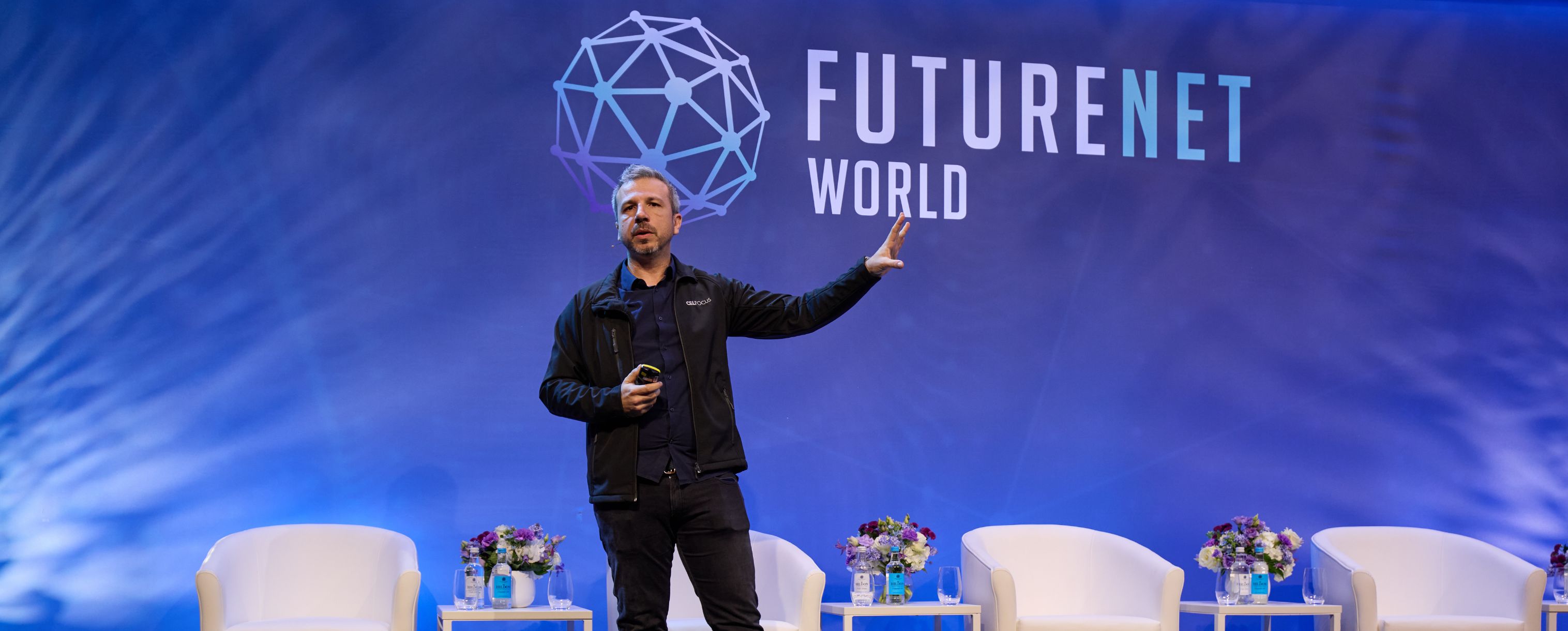
|---Module:text|Size:Small---| Following the event, João Miguel Antunes, Head of Autonomous Networks Offer at Celfocus, who presented “Implementing and Scaling Agentic AI for End-to-End Network Innovation” (watch now here), spoke with Tara Neal, Executive Editor of The Fast Mode, about how Agentic AI is reshaping the telecom industry’s path toward autonomy, including why now is the right moment for adoption and how operators can balance automation with human oversight in increasingly autonomous systems.
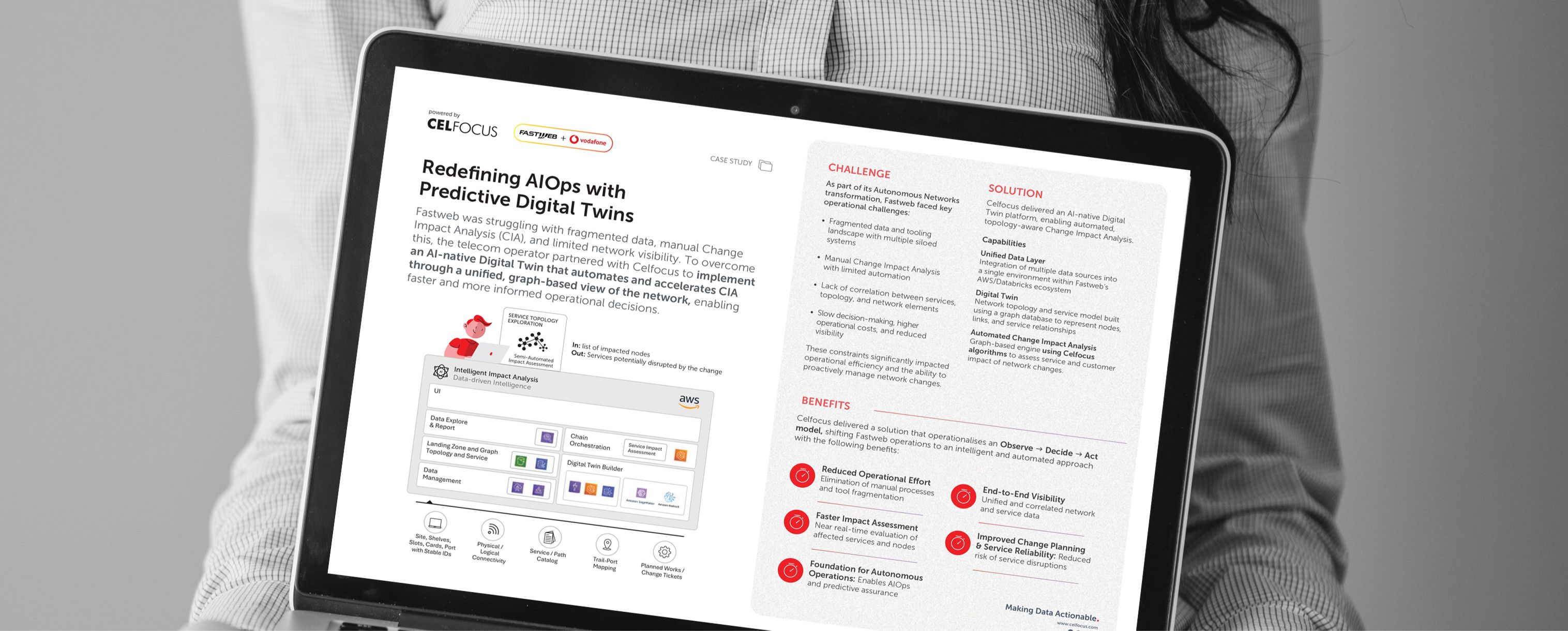
Scaling Agentic AI is described as an architecture challenge rather than a model selection problem. The approach requires a layered structure: a contextual foundation built on digital twins or digital shadows that fuses fault, performance, and configuration data across multi-vendor, multi-domain topologies; an intelligence layer based on traditional machine learning for prediction and anomaly detection; and an orchestration layer of agents that coordinate actions and decide next steps using AI-driven tools.
Strong data and architecture foundations are presented as essential to making Agentic AI work in practice. Without reliable contextual data, observability, and integrated systems across domains, AI systems cannot deliver consistent operational outcomes in complex telecom environments.
|---Module:testimony|Size:Small|Name:João Miguel Antunes|Position: Head of Autonomous Networks Offer|Company:Celfocus---| The CSPs that will win aren’t the ones with the flashiest agents or the fastest pilots. They’re the ones investing in the foundation. You cannot out-prompt a bad data model.”
|---Module:text|Size:Small---| The interview also emphasizes that trust and observability are central to scaling autonomy; not all functions should be handled by agents. A hybrid approach combining AI, ML, and human oversight is essential for robust and reliable network automation.