Let’s Talk


Oops! Something went wrong while submitting the form.

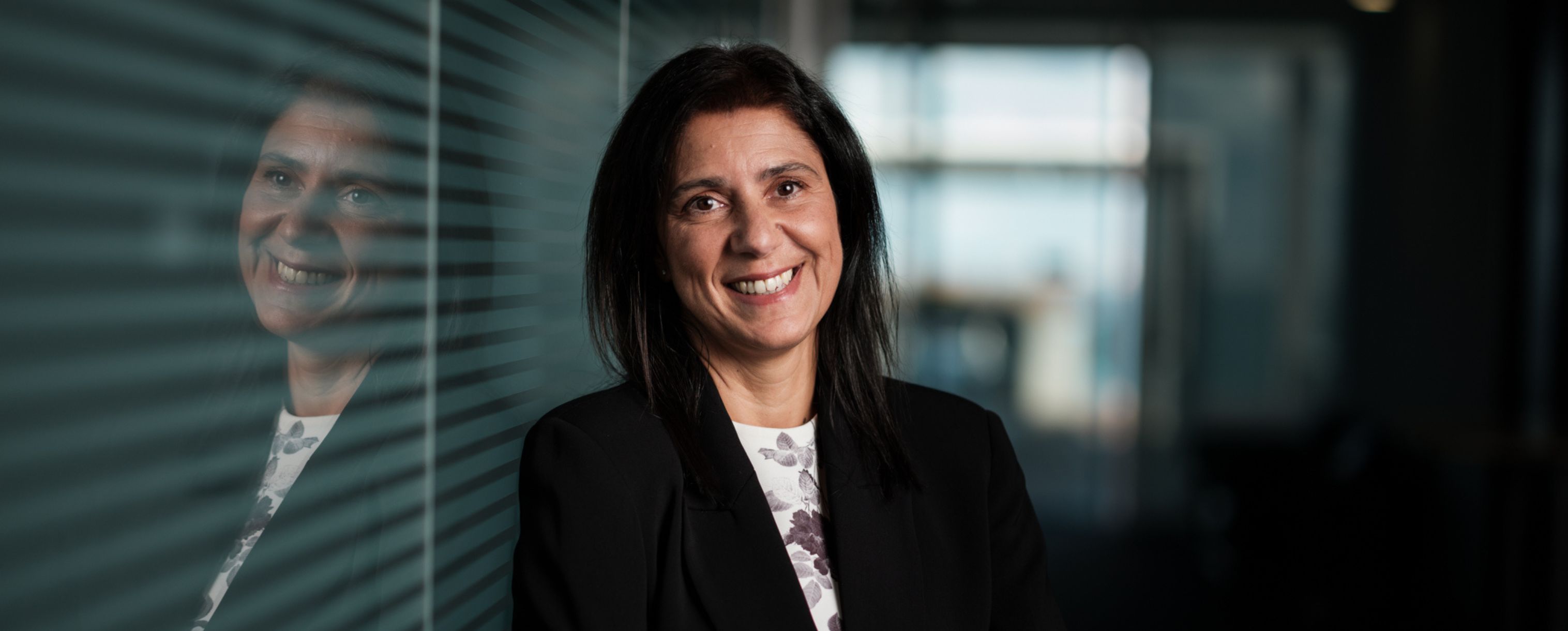
|---Module:text|Size:Small---| In an interview with Human Resources Portugal, Dídia Gabriel, Communication & People Experience Director at Celfocus, discusses how organisational health is becoming a strategic priority, highlighting the need to embed these principles into daily operations, leadership approaches and the overall employee experience in an increasingly complex environment.
Here’s the full interview transcription:
Health and well-being have consolidated themselves as structural dimensions at a time when organisations face simultaneous pressure for results, technological transformation and raising employee expectations. The topic is no longer confined to isolated programmes and has become integrated into the way work is organised, measured and led.
At Celfocus, this approach is embedded in the design of the employee experience. Dídia explains, “Health and well-being are a fundamental part of the way we design the employee experience.” She frames internal policies as part of a coherent strategic logic rather than isolated initiatives. “When we define flexibility policies, benefits or moments of social interaction, they are not isolated initiatives or random ideas, but part of a clear objective: to create conditions in which people can consistently perform at their best in a balanced way.”
This vision translates into concrete measures, such as additional days of annual leave, extended health insurance with online medical services and regular initiatives focused on physical, emotional and social well-being. The intention is to act before situations of structural strain arise. In this context, promoting a culture of sharing and continuous learning strengthens the sense of belonging and recognition, both considered critical prevention factors.
The promotion of well-being nevertheless faces significant challenges. The diversity of teams, multicultural, geographically distributed and at different life stages, requires differentiated responses. “The first challenge is diversity. We have multicultural teams, people at different stages of life and with different personal contexts. A single model no longer responds to everyone, and it is essential to ensure that no one is left behind.”
The complexity does not lie solely in the segmentation of benefits. The integration of well-being into the organisation of work is identified as a determining condition for its effectiveness. “The second challenge is integrating well-being into everyday work and not limiting it to the offer of benefits.” Consistency between goals, workload and leadership therefore becomes decisive. “It is essential to ensure consistency between what is communicated and what is practised on a daily basis, creating environments that do not see well-being as something ‘extra’, but as a natural part of how work, objectives and leadership are organised.”
To respond to new demands, the company has reinforced three dimensions considered structural: flexibility, development and social well-being. The hybrid model remains the organisational foundation, allowing greater autonomy in balancing professional and personal life. Online medical services integrated into health insurance facilitate rapid access to clinical support, reducing logistical and time barriers.
At the same time, intentional in-person moments have been created to bring teams together and prevent isolation, strengthening culture and knowledge transfer. Sessions dedicated to mental health, as well as women’s and men’s health, resulted from the systematic collection of internal feedback, allowing initiatives to be aligned with priorities identified by employees themselves.
Measuring impact plays a central role in consolidating the strategy. The organisation monitors participation rates in initiatives, the associated level of satisfaction measured through NPS and the results of the annual internal survey, which evaluates dimensions such as Culture, Leadership, Employee Experience and Well-being. These data are cross-referenced with indicators such as turnover, absenteeism and participation in events, making it possible to identify correlations between engagement, retention and investment in well-being.
Middle management emerges as a critical element in operationalising this strategy. The conscious management of priorities, the clear definition of expectations and the way work is distributed directly influence the health of teams. The development of these competencies is part of internal training programmes, reinforcing the responsibility of leaders as facilitators of balanced working environments.
The balance between performance targets and burnout prevention is treated as an integral part of management. The focus on results and added value is accompanied by the recognition of personal time, including additional days of annual leave. Regular feedback and follow-up conversations allow expectations to be adjusted before workload becomes structurally excessive. When risk signals are identified, the response may involve redistributing priorities or strengthening teams. “Sustainable performance is seen as a shared responsibility.”
Hybrid work has brought important learnings. Flexibility has shown a positive impact on satisfaction and productivity when combined with structured in-person moments and a clear sense of purpose. Work in the office continues to play an important role in knowledge transfer and in strengthening the sense of belonging, elements that cannot be fully replaced by digital tools. Clarity of objectives and regular communication have also been identified as essential factors in mobilising teams around common priorities.
Flexible benefits and social support programmes are part of an approach that recognises that well-being is not static throughout life. Insurance with online medical services, initiatives related to nutrition, participation in corporate runs, tournaments and social responsibility activities contribute to an ecosystem that brings together physical, emotional and social health. The diversity of the offer reinforces the perception of fairness and usefulness, while also strengthening organisational identity and a sense of community.
Internal communication plays a structural role in promoting and encouraging the use of these initiatives. The regular sharing of calendars, survey results and decisions taken based on feedback contributes to strengthening transparency and alignment. The use of different channels allows teams that work mostly remotely to be reached and ensures that information circulates across the organisation.
The future points towards greater personalisation supported by data, integration between digital health platforms and the reinforcement of meaningful in-person experiences. The connection between well-being, career development and organisational culture is expected to intensify, accompanied by continuous monitoring and frequent adjustments. Emotional and financial literacy is emerging as a new dimension of organisational stability.
Despite growing digitalisation, the relational dimension remains central. “Technology will be the support, but the human relationship will continue to be essential.” In the coming years, the strategy will involve increasing the frequency of initiatives and deepening mechanisms for continuous feedback, consolidating well-being as a structural element of talent management and the organisation’s sustainable growth.